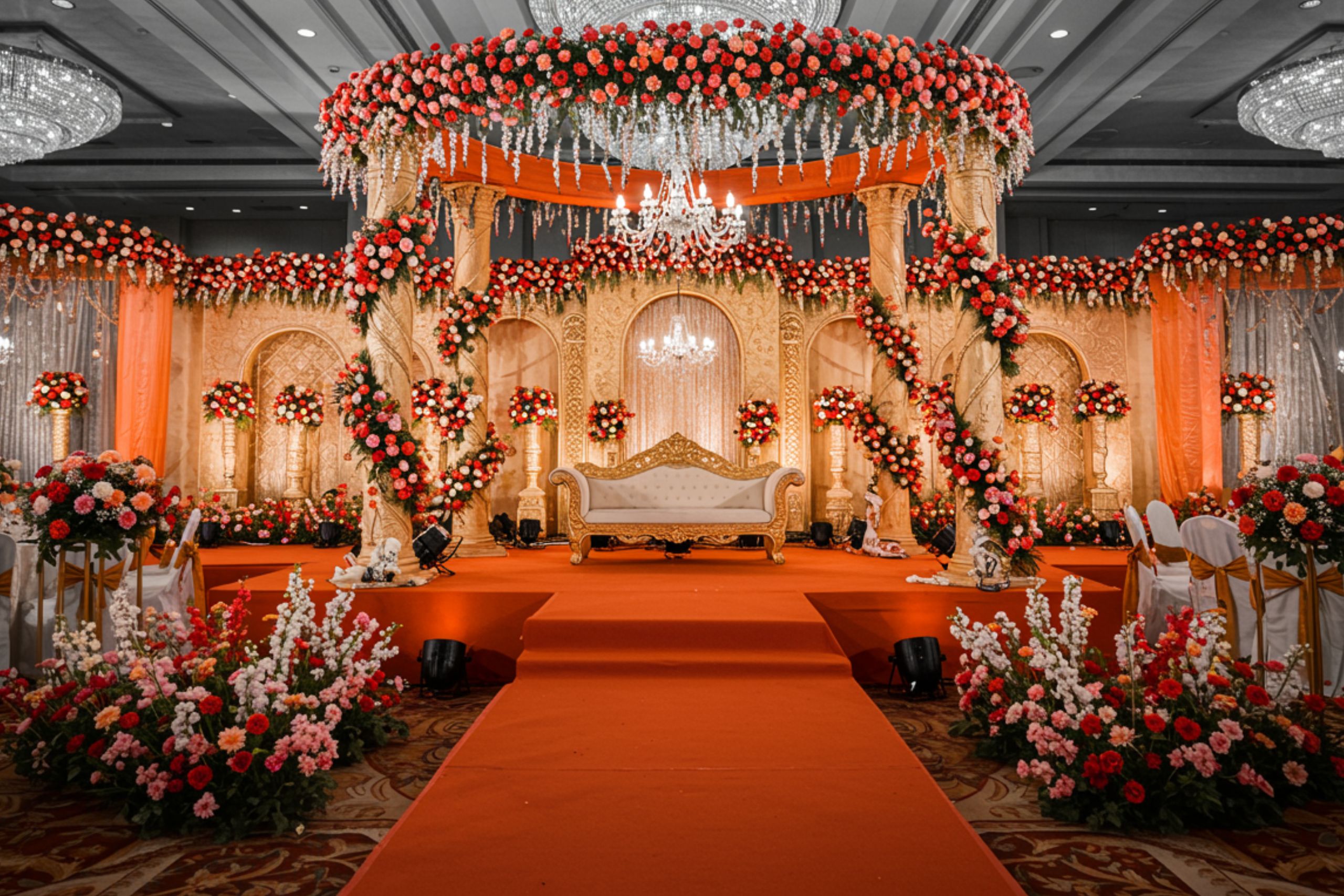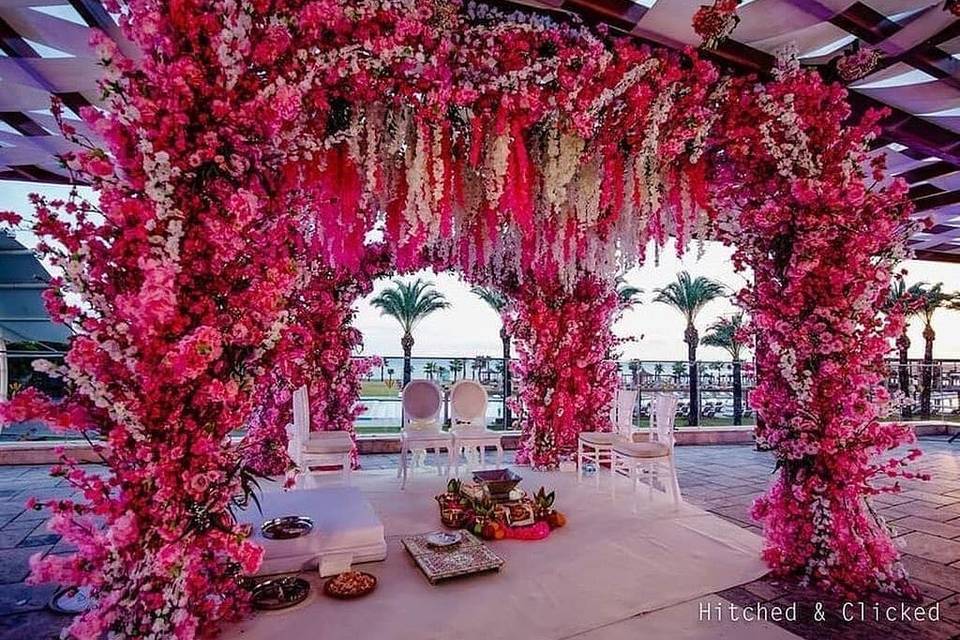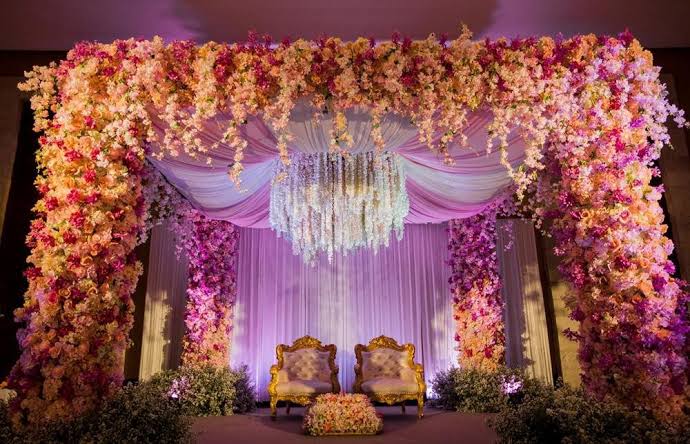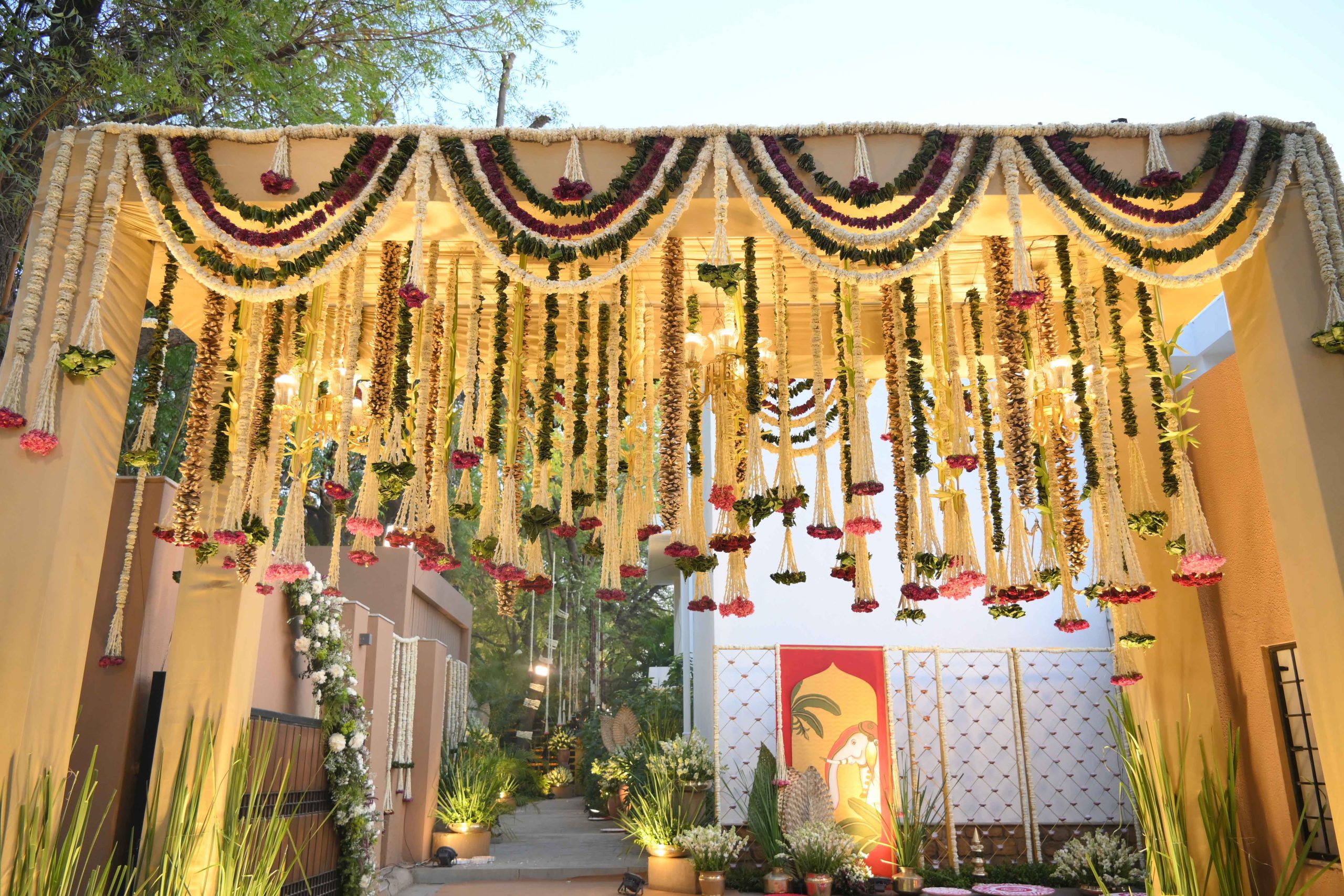
Planning a special occasion involves dozens of decisions, but choosing the right event decorator is one of the most important.
Your decorator is responsible for turning an empty or ordinary venue into the setting you have imagined.
Whether you are planning a wedding, engagement, birthday, baby shower, housewarming, corporate function or school event, good decoration requires much more than selecting flowers, balloons and a backdrop.
It involves understanding the venue, developing a design, coordinating materials, managing installation, working within timelines and ensuring everything is ready before your guests arrive.
At Buds & Flowers Event Management, we believe clients should know exactly what to look for before selecting an event decoration team.
Here are some important factors to consider.
1. Look at Their Previous Work
A decorator's portfolio is one of the best places to start.
Look beyond one or two impressive photographs.
Review different types of events and setups, including:
- Weddings - Engagements - Birthday parties - Baby showers - Housewarmings - Corporate events - School functions - Floral installations - Balloon decorations
A varied portfolio can help you understand the decorator's ability to work with different venues, themes and budgets.
Pay attention to the complete setup rather than only close-up photographs of flowers or props.
2. Check Whether Their Style Matches Your Vision
Every event decorator has a different approach.
Some specialise in highly elaborate décor, while others may be stronger at minimal and contemporary setups.
Before finalising your decorator, consider what you prefer.
Your style might be:
- Elegant and minimal - Floral and romantic - Traditional - Contemporary - Colourful and playful - Premium and luxurious - Natural and greenery-focused - A combination of different styles
Reference photographs can help communicate your preferences.
However, a good decorator should be able to understand the visual direction behind those references rather than simply copying them.
3. Choose Customisation Over Copy-Paste Decoration
Your venue, guest count and occasion are unique.
Your decoration should reflect that.
Ask whether the decorator can customise:
- Backdrop dimensions - Colour combinations - Floral arrangements - Balloon colours - Furniture - Signage - Entrance décor - Lighting - Stage layout
A reference image taken at a large luxury venue may not work inside a smaller banquet hall or home.
The decorator should adapt the concept to your actual space.
4. Share Your Budget Early
Discussing your approximate decoration budget early can save significant time.
It allows the decorator to recommend ideas that are realistically achievable.
Instead of simply asking, "How much does decoration cost?", explain:
- Type of event - Venue - Number of guests - Areas you want decorated - Preferred style - Approximate budget range
The decorator can then suggest where your budget should be prioritised.
A professional discussion about budget should focus on maximising visual impact rather than simply adding or removing random items.
5. Understand Exactly What Is Included
Before confirming the event, ask for clarity regarding what the quotation includes.
Depending on the event, this could include:
- Stage backdrop - Flowers - Balloon decoration - Furniture - Entrance décor - Lighting - Cake table - Photo area - Welcome signage - Decorative structures - Installation - Dismantling
If something is important to you, make sure it is specifically discussed.
Avoid assuming an element is included simply because it appears in a reference photograph.
6. Ask About Fresh and Artificial Flowers
If your event includes floral decoration, understand what type of flowers will be used.
Depending on the setup, the decorator may recommend:
- Fresh flowers - Artificial flowers - Greenery - A combination of fresh and artificial elements
Fresh flowers may be prioritised in close-up and important areas, while high-quality artificial flowers can be useful for larger structural installations.
The right approach depends on the design, venue, duration and budget.
7. Check the Quality of Furniture
Furniture has a major influence on the final appearance of an event setup.
A beautiful backdrop can lose its impact when paired with furniture that does not match.
If furniture is part of the decoration, ask about:
- Sofa style - Chair style - Upholstery - Colour - Condition - Cake tables - Pedestals - Side tables
For weddings, engagements and premium birthdays especially, furniture should be considered part of the overall design.
8. Ask How They Plan for the Venue
A professional decorator should consider the venue before finalising the design.
Important factors include:
- Stage dimensions - Ceiling height - Entry width - Existing interiors - Electrical access - Guest seating - Photography space - Loading and setup access - Venue restrictions
For larger events, a site visit can help identify practical challenges before the event day.
This reduces the possibility of discovering that a planned structure does not fit or cannot be installed.
9. Check Whether Lighting Is Considered
Decoration and lighting should work together.
Even an excellent floral or stage setup can look disappointing under poor lighting.
Ask how the important areas will be illuminated.
These may include:
- Main stage - Mandap - Backdrop - Entrance - Photo area - Cake table - Floral installations
Lighting should also work for photography and videography.
For evening events especially, it should be part of the planning process rather than an afterthought.
10. Discuss Setup Timing
Ask when the decoration team will receive access to the venue and approximately when the setup will be completed.
This becomes particularly important when:
- Another event is happening at the venue earlier - The venue provides limited setup time - Large structures need installation - Fresh flowers are involved - Audio-visual teams are also working - Photography is scheduled before guests arrive
Multiple vendors may need access to the same stage or venue.
Good coordination helps prevent delays.
11. Reliability Matters as Much as Creativity
Beautiful design ideas are valuable, but execution is equally important.
Your event happens on a specific date and time.
There is very little room for delays.
The decorator should have a clear plan for:
- Material transportation - Installation - Team coordination - Venue access - Last-minute adjustments - Dismantling
For weddings and larger events, operational reliability is one of the most important factors when selecting a team.
12. Check How They Handle Last-Minute Changes
Events do not always go exactly according to plan.
Weather can change.
Venue restrictions can appear.
Timings can shift.
A particular material or flower may become unavailable.
Ask how the decorator handles unexpected changes.
An experienced team should be able to provide alternatives while maintaining the overall design direction.
Problem-solving is an important part of event management.
13. Don't Choose Based Only on the Lowest Price
Comparing quotations is sensible.
Choosing entirely based on the lowest number can be risky.
Two quotations may appear to describe the same setup while using completely different:
- Flower quantities - Material quality - Backdrop sizes - Furniture quality - Lighting - Labour - Finishing standards
Compare the actual scope of work rather than only the final price.
A slightly higher quotation may provide significantly better execution or include elements missing from another proposal.
14. At the Same Time, Expensive Doesn't Automatically Mean Better
A higher price alone does not guarantee good event decoration.
Look at the complete combination of:
- Design quality - Portfolio - Communication - Customisation - Material quality - Planning - Execution capability - Transparency
The goal is to find the right value for your event rather than simply choosing the cheapest or most expensive option.
15. Pay Attention to Communication
The planning process often reveals how organised a decorator is likely to be on the event day.
Notice whether the team:
- Understands your requirements - Responds clearly - Explains limitations - Provides realistic suggestions - Confirms important details - Keeps track of changes
You should feel confident that the team understands what has been agreed.
Clear communication reduces misunderstandings later.
16. Share Reference Images Properly
Reference images are extremely useful, but explain what you specifically like about them.
For example, you may like:
- The colour palette - Floral style - Backdrop shape - Furniture - Lighting - Overall simplicity - Stage proportions
You may not necessarily want the entire setup copied.
This information gives the decorator greater flexibility to develop something appropriate for your venue.
17. Ask for Recommendations
A good event decorator should not simply agree with every idea.
Sometimes a reference design may not work because of:
- Venue size - Ceiling height - Budget - Weather - Guest movement - Photography requirements - Setup restrictions
An experienced decorator should explain these limitations and recommend practical alternatives.
Good event design involves both creativity and problem-solving.
18. Consider the Complete Guest Experience
Decoration should not only look good from one photography angle.
Consider how guests will experience the event from the moment they arrive.
Important areas can include:
- Entrance - Welcome area - Main stage - Seating - Walkways - Dining areas - Photo areas
The decorator should understand how these spaces connect.
A cohesive event usually feels more premium than several unrelated decorative installations.
19. Ask About Installation Safety
Event decoration often involves large structures, electrical lighting and suspended elements.
These installations need to be secure.
Professional execution should consider:
- Structural stability - Electrical safety - Cable management - Clear walkways - Stage edges - Hanging installations - Guest movement
Safety becomes particularly important for school events, children's birthdays and large gatherings.
20. Make Sure Everything Is Finalised Before the Event
As the event approaches, confirm the major details.
These can include:
- Final design - Colours - Backdrop - Flowers - Furniture - Signage spelling - Event date - Venue - Setup timing - Contact person
If personalised signage is being created, check names and spellings carefully.
Small errors can become very visible once printed or installed.
Questions to Ask Before Hiring an Event Decorator
Before confirming your event decorator, consider asking:
- Have you handled this type of event before? - Can the decoration be customised? - What exactly is included in the quotation? - Are the flowers fresh, artificial or mixed? - Is furniture included? - Is lighting included? - When will setup begin? - When will the setup be completed? - Do you need a venue site visit? - How do you handle last-minute changes?
The answers can help you compare different decorators more effectively.
The Right Decorator Should Understand the Occasion
A wedding should not look like a birthday.
A birthday should not look like a corporate event.
A school annual day should not feel like a business conference.
The decorator needs to understand the purpose and atmosphere of each occasion.
The best event decoration feels natural to the celebration while still creating something memorable.
Event Decoration by Buds & Flowers
At Buds & Flowers Event Management, we create customised décor for weddings, engagements, birthdays, baby showers, housewarmings, corporate functions, school events and other celebrations.
Our services can include stage and backdrop styling, floral installations, balloon décor, entrances, premium furniture, lighting, photo areas and personalised decorative elements.
Every event begins with understanding the occasion, venue and client's requirements before developing the decoration concept.
Plan. Design. Celebrate.
Planning an upcoming event?
Contact Buds & Flowers Event Management and share your occasion, venue, event date and decoration ideas. We'll help you develop a setup that fits your celebration, space and vision.